Orbit
ORBIT was a social media platform where voice, music, and sound drove deeper connection. By minimizing the visual, it put people, ideas, and community first.
Sector
Social Media
Role
Product Designer - Internship
Time
20-21
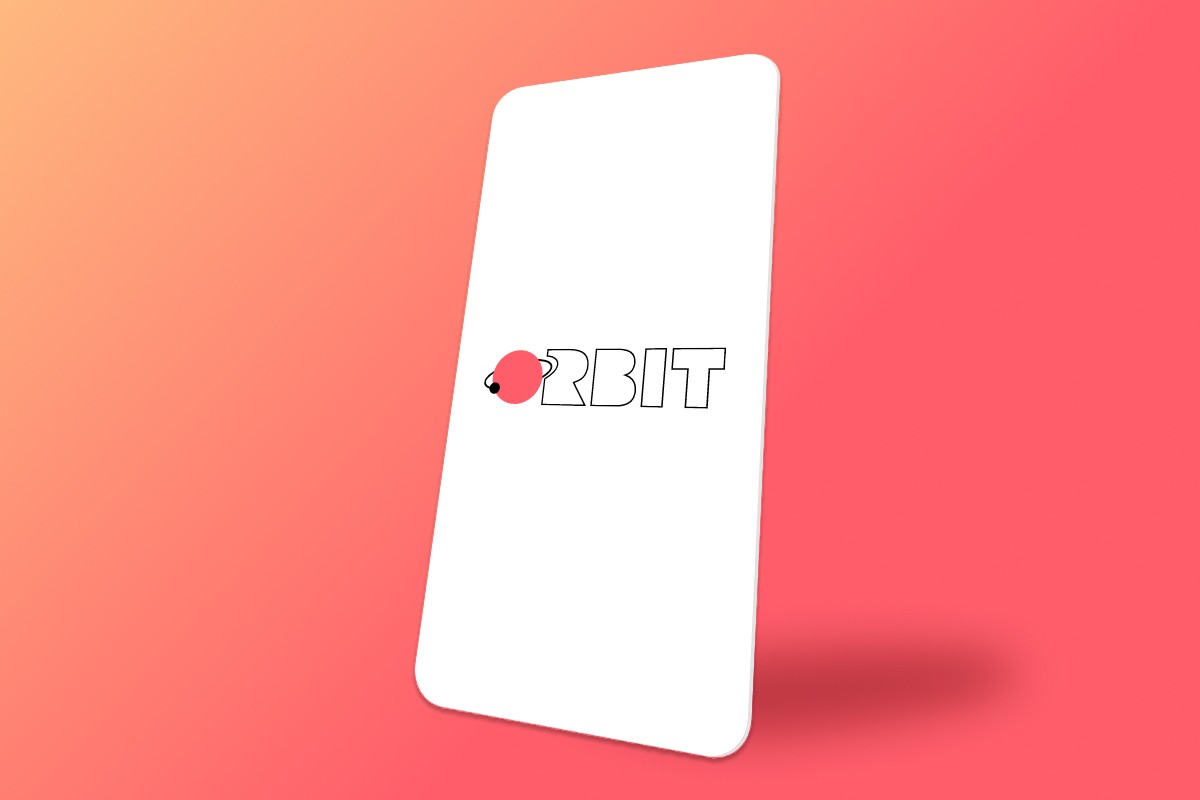
ORBIT (now Talkalytics) was my first experience working on an international remote team. I joined because social audio intrigued me. No platform was focusing on it at the time, and it was a chance to leverage my background in both design and audio.
Sound Approach
Voice, audio, & music foster deep connection.

In collaboration with the founder, I led end-to-end product design for a social audio app, owning the full process from concept and research through high-fidelity interactive prototypes, brand assets, and design system integrity. We believed a social audio platform where voice, music, and sound could foster deeper connection but what does that actually mean in the context of design?

The answer came down to three intentions. The product needed to feel minimal, sound-first, and intuitive enough that the user reached for nothing they couldn't already do with their hands and voice. Minimal meant stripping screens of anything that was not essential. No persistent nav bar, no toolbars, no timestamps, no like counts dressed as social proof. Your voice became your identity. Intuitive meant gestures over chrome. Swipe, Shake, and long press, the body became part of the interface.
Resonante
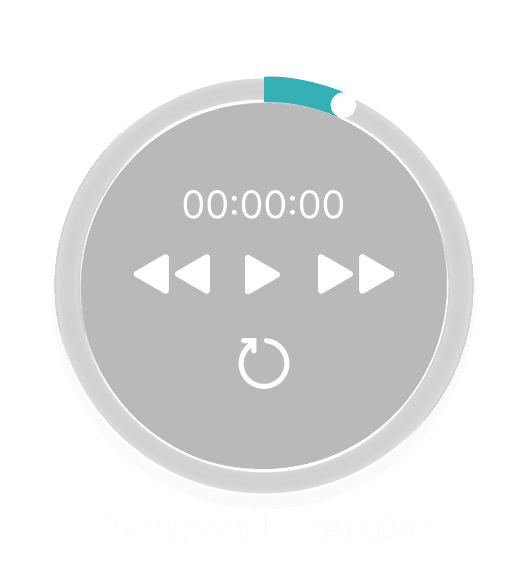
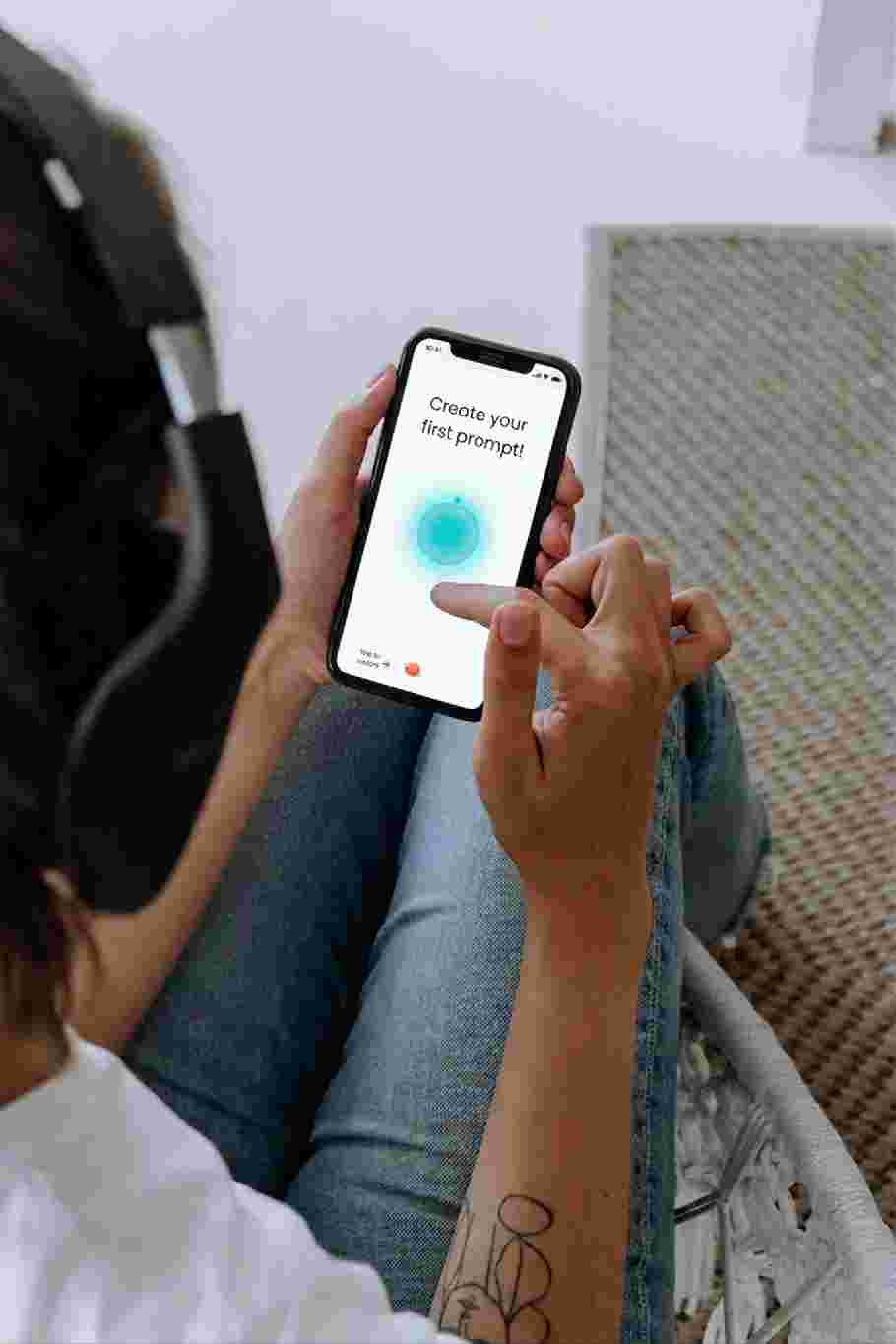
The biggest single decision was rejecting the slider. Audio apps default to a horizontal progress bar and the user scrubs through. We didn't want that. A bar implies a beginning and an end, a track to be consumed. We were building a social space, not a media player.
The circle worked instead. Recording progress wrapped a ring around the avatar. The form is also a clock face, so a filling ring reads as time passing without instruction. This let us build the hybrid we were after. Social patterns people already knew, wrapped in a visual language that prioritized audio.